
Welcome to the
Interventional Pain Management Department
Welcome to the
Interventional Pain Management Department
◈ Pain is a signal that your body uses to let you know that something is wrong, like an injury, for example, that needs attention. Pain has a way of alerting us to the need for rest and healing. Pain can be mild or severe depending on the type of injury, extent of injury, and the type of care provided. It can also be short-term or long-term for the same reasons. Sometimes we need help dealing with acute (short-term) pain during the healing process of an injury or with chronic (long-term) pain that seems to get worse over time.
◈ When an injury occurs, the body sends signals asking for healing factors like white blood cells (WBCs) to help remove foreign substances like bacteria; red blood cells (RBCs) and platelets (PLTs) to assist with clotting; and growth factors to stimulate new materials for building. To help these healing factors reach the injury your blood vessels get leaky and fluid escapes into the tissues causing swelling, warmth, and redness. The healing process initially causes pain to get worse before it gets better. This type of pain is short-lived, usually 1-3 months or less.
◈ Pain that lasts for longer than 3 months is considered chronic. Areas that may be affected by chronic pain are the same as for acute pain and may include disc herniations or bulges, ligament sprains, tendon strains or tears, and spine and joint degeneration. The pain lingers because the area was not completely healed, leaving you unable to perform activities of daily life as you once did. We have options to address chronic pain and improve your quality of life.
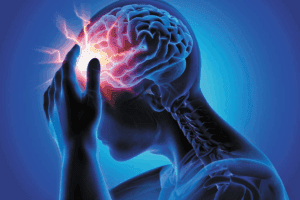
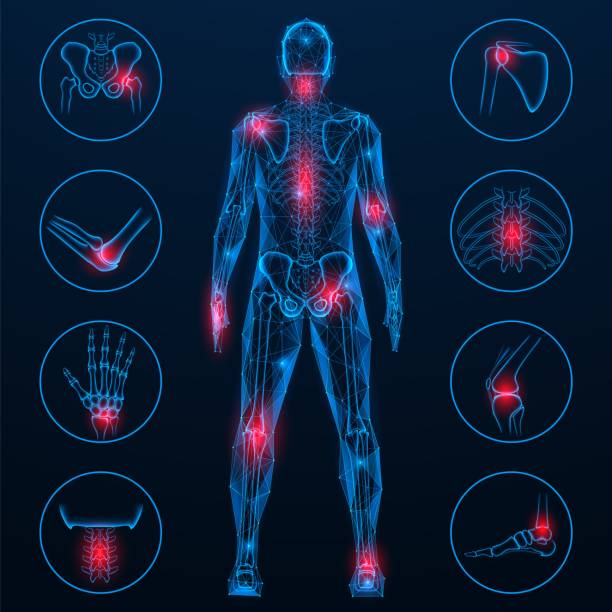
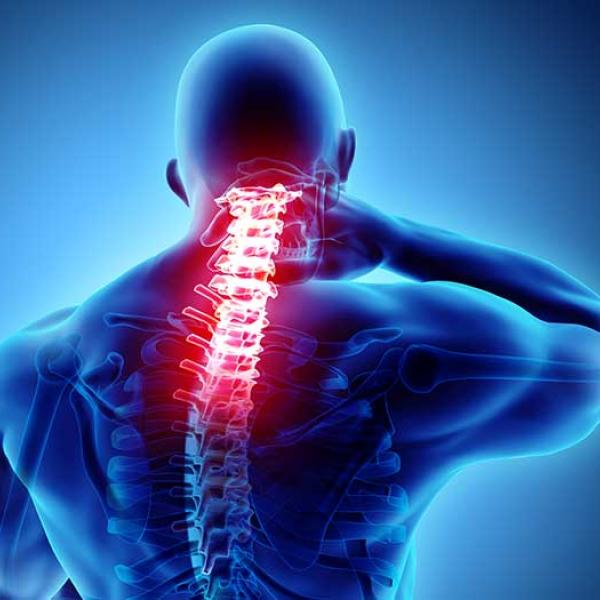
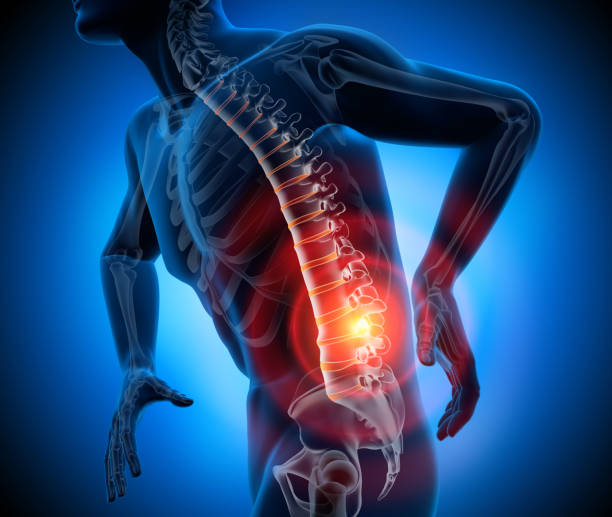
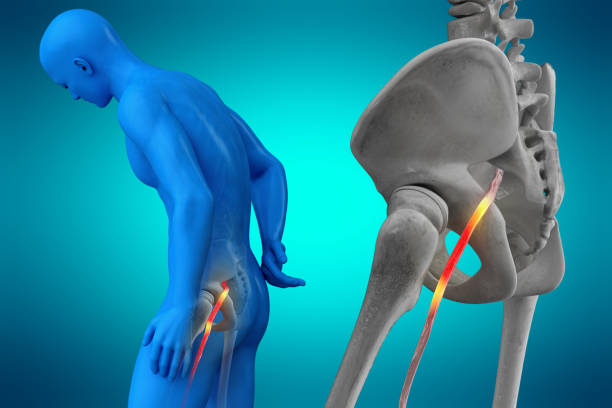
◈ Our interdisciplinary approach starts with movement-based therapies led by our experienced Chiropractic Team. This may include Chiropractic adjustments, exercise, cold laser, decompression therapy, electric stimulation and more. We consider this a foundational part of your healing journey. Read more
◈ Our knowledgeable medical staff will evaluate your pain as well. If non-pharmacological methods are unable to adequately control your pain you may be provided with a prescription for additional pain management. A careful review of your current medications will be performed to ensure that drug interactions are minimized. We are a non-narcotic clinic and find that the following pharmacological agents can be very effective for short-term pain management. Some typical examples of prescribed medications are:
◈ Formulated for acute and chronic inflammation, these drugs may be a good short-term solution for reducing your pain while we work together to create a personalized plan for your long-term pain management. These medications are useful for problems with arthritis, tendonitis, and bursitis.
Examples of these medications include:
● Ibuprofen
● Meloxicam
● indomethacin
Contraindications for taking medications in this drug class include:
● Cardiovascular disease
● Chronic kidney disease
● Fluid overload and dehydration
● Peptic Ulcer Disease – stomach ulcers
Possible side effects for medications in this drug class:
● Upset stomach
● Decreased kidney function
● Fluid overload
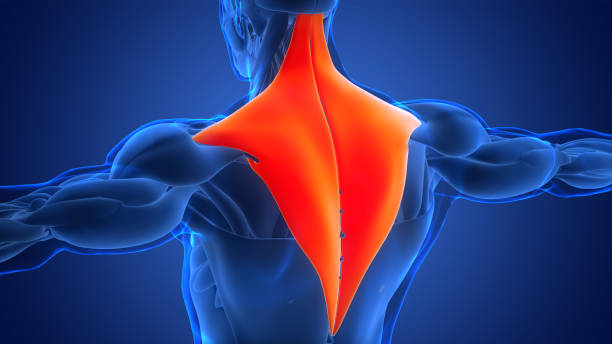
◈ When muscles are tense, they may place pressure on other structures like joints and nerves. This can result in stiffness or even pain that travels to unexpected areas of the body.
Examples of these medications include:
● Methocarbamol
● Baclofen
● cyclobenzaprine
Contraindications for medications in this drug class include:
● Concurrent use of other central nervous system (CNS) suppressants like alcohol, benzodiazepines, sedatives, and seizure medications.
● Concurrent use of selective serotonin reuptake inhibitors (SSRIs) or serotonin-norepinephrine reuptake inhibitors (SNRIs).
● Concurrent operation of heavy equipment
Possible side effects for medications in this drug class:
● Increased drowsiness
● Serotonin sickness if combined with high dose SSRIs or SNRIs
◈ These medications are useful for treating nerve pain. Often caused by a condition of crowding in the spinal column affecting the nerve root. Usually related to a herniated disc.
Examples of these medications include:
● Gabapentin
● Pregabalin
Contraindications for medications in this drug class include:
● Concurrent use of other central nervous system (CNS) suppressants like alcohol, benzodiazepines, sedatives, and seizure medications.
● Advanced COPD and chronic hypoxia
● Neurological conditions like myasthenia gravis and myoclonus
● Chronic kidney disease
● Pregnancy and breastfeeding
● Concurrent operation of heavy equipment
● Sudden discontinuation of the medication
Possible side effects for medications in this drug class:
● Increased drowsiness
● Altered mental status
● Weakness
Imaging: X-ray and MRI are available on site and may be used to correlate clinical exam findings. We will review these results with you and may make referrals to specialists in the community based on your specific needs. We strive to provide a complete continuum of care for you.
If you are prone to anxiety or claustrophobia during MRI exams, we have options to help you with that so you can complete your exam. Obtaining these images will aid our team in the diagnostic process.
◈ Our third line treatment options are for those who continue to have pain and other symptoms despite implementing conservative treatment. When pain continues to interfere with activities of daily living after trying the first- and second-line treatment recommendations, we have additional pain management options for you. These options will be tailored to your exact needs via selective procedural interventions.
Fakhoury Chiropractic Office has been serving Marion County over the years with a unique multi-disciplinary approach for treatment of musculo-skeletal pain such as headaches, neck pain, lower back pain, arm/leg pain and injuries from accidents
